


Knocked-out tooth, sudden swelling, or pain that won’t quit? Here’s how to tell what’s urgent and what can wait for a regular appointment.
What Is a Dental Emergency?
A dental emergency is any dental issue that needs urgent care to stop bleeding, ease severe pain, save a tooth, or treat an infection before it spreads. If waiting a day or two would risk permanent damage, it’s an emergency.
Common Warning Signs to Watch For
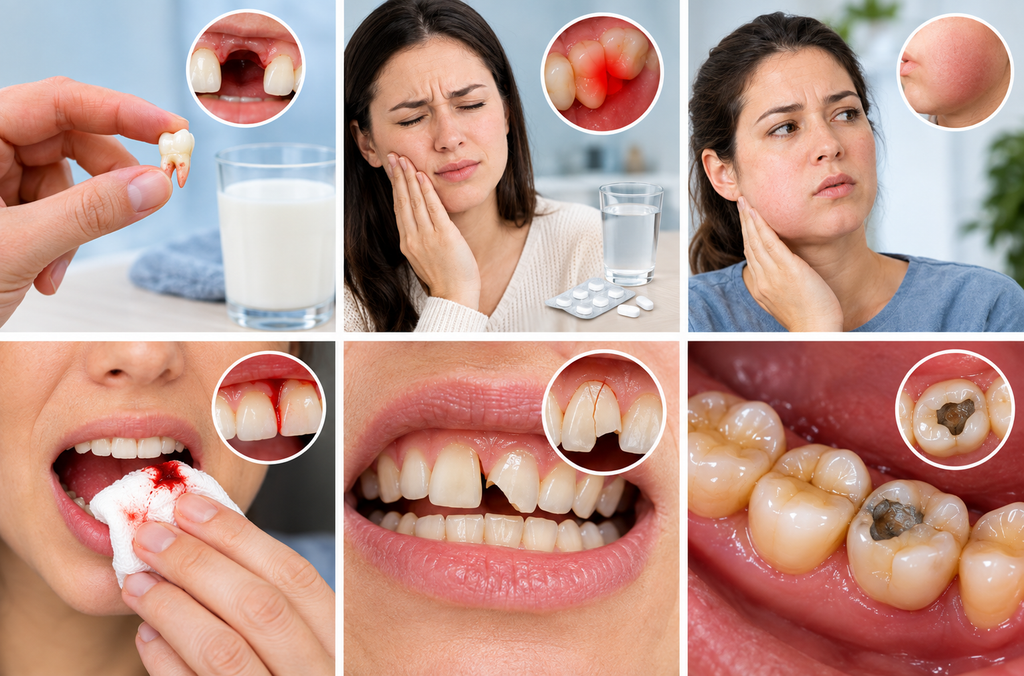
If you spot these, don’t wait it out.
● A tooth that’s been knocked out or badly loosened
● Severe, throbbing pain that isn’t easing with pain relief
● Facial swelling, especially if it’s spreading
● Bleeding from the mouth that won’t stop
● A cracked, broken, or badly chipped tooth
● A lost filling or crown exposing a sensitive tooth
When to Call an Emergency Dentist?
| Sign | How Urgent | Recommended Action |
| Knocked-out adult tooth | Immediate | Call immediately; best results occur within 60 minutes. |
| Swelling near eye/jaw/throat, or trouble breathing or swallowing | Immediate | Call an emergency dentist or visit an emergency room straight away. |
| Bleeding not slowing after 10–15 mins of pressure | Immediate | Seek immediate emergency dental attention. |
| Pain disrupting sleep or daily life | Same-day | Contact your clinic for a same-day appointment. |
| Cracked tooth, lost filling or crown | Same-day / next-day | Book within 24 hours to prevent internal tooth damage. |
What Should You Do While Waiting for Your Appointment?
Knocked-out tooth?
Pick up the tooth by the crown (not the root). Rinse gently with water if dirty (do not scrub). Keep it moist in milk or saliva.
Uncontrolled Bleeding?
Place a clean piece of gauze directly over the bleeding site. Bite down with firm, steady pressure for 15 to 20 minutes without lifting.
Facial Swelling?
Apply an ice pack or cold compress wrapped in a towel to the outside of your cheek in 10-minute intervals to limit inflammation.
What Happens If a Dental Abscess Is Left Untreated?
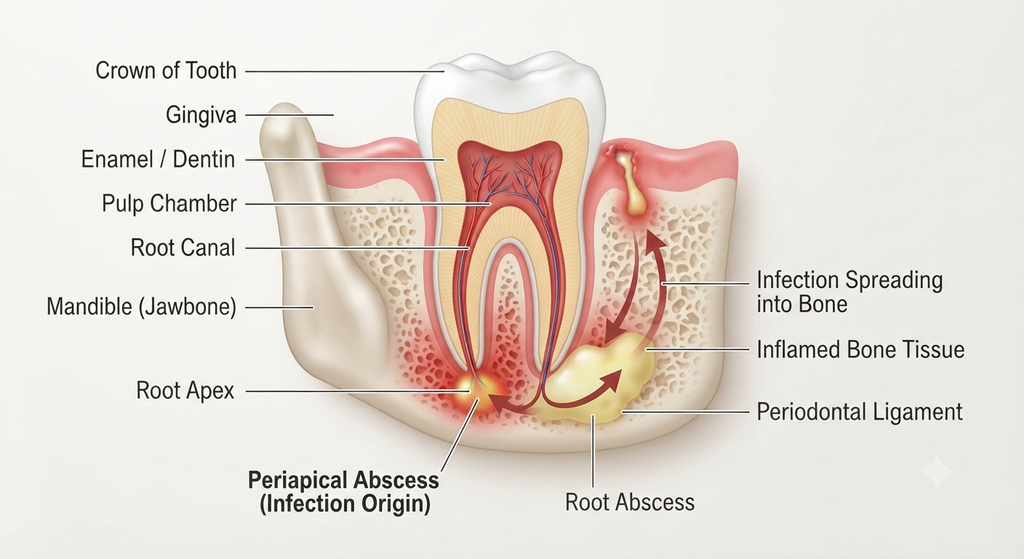
It can spread into the jawbone, nearby teeth, and, in rare cases, the bloodstream. Prompt treatment clears it and stops it from spreading.
Is Tooth Pain Always an Emergency?
Not always. Mild, occasional sensitivity can usually wait for a regular appointment. However, sudden, sharp, continuous, or throbbing pain requires same-day professional evaluation.
What Happens During an Emergency Dental Visit?
1. Comprehensive Assessment: Your dentist assesses the affected area, taking digital X-rays to check the root structure and surrounding bone.
2. Immediate Pain Relief: The immediate priority is to relieve pain and make you comfortable.
3. Stabilisation: The dentist stabilises the condition either by re-implanting a tooth, dressing an exposed nerve, draining an infection, or placing a temporary restoration, before planning long-term care.
How Can You Prevent Dental Emergencies?
✓ Protect your teeth
Wear a custom-fitted mouthguard during contact sports or physical recreation.
✓ Avoid bad habits
Refrain from chewing ice, hard candies, or opening packages with your teeth.
✓ Stay proactive
Schedule regular 6-month check-ups and cleans to catch structural weaknesses before they become sudden fractures.
Need Urgent Care? Call Us Now
If you are experiencing a dental emergency, do not wait for the pain or infection to escalate. The team at Sparkling White Dental provides rapid, compassionate emergency care when you need it most.
Call us immediately or book your urgent appointment online now.
